

Customer Success & Growth
October 21, 2026
Who Owns Customer Value After the Sale?

# Customer Value
# Customer Success
# Customer Growth
# AI
Keep the customer business case alive from commitment through realized value.

Omid Razavi
Who owns the customer outcome after the deal is signed?
I spent the past few days at ELEVATE '26 and Technology & Services World (TSW) in Las Vegas. I was encouraged by the growing focus on customer value management across the entire customer lifecycle.
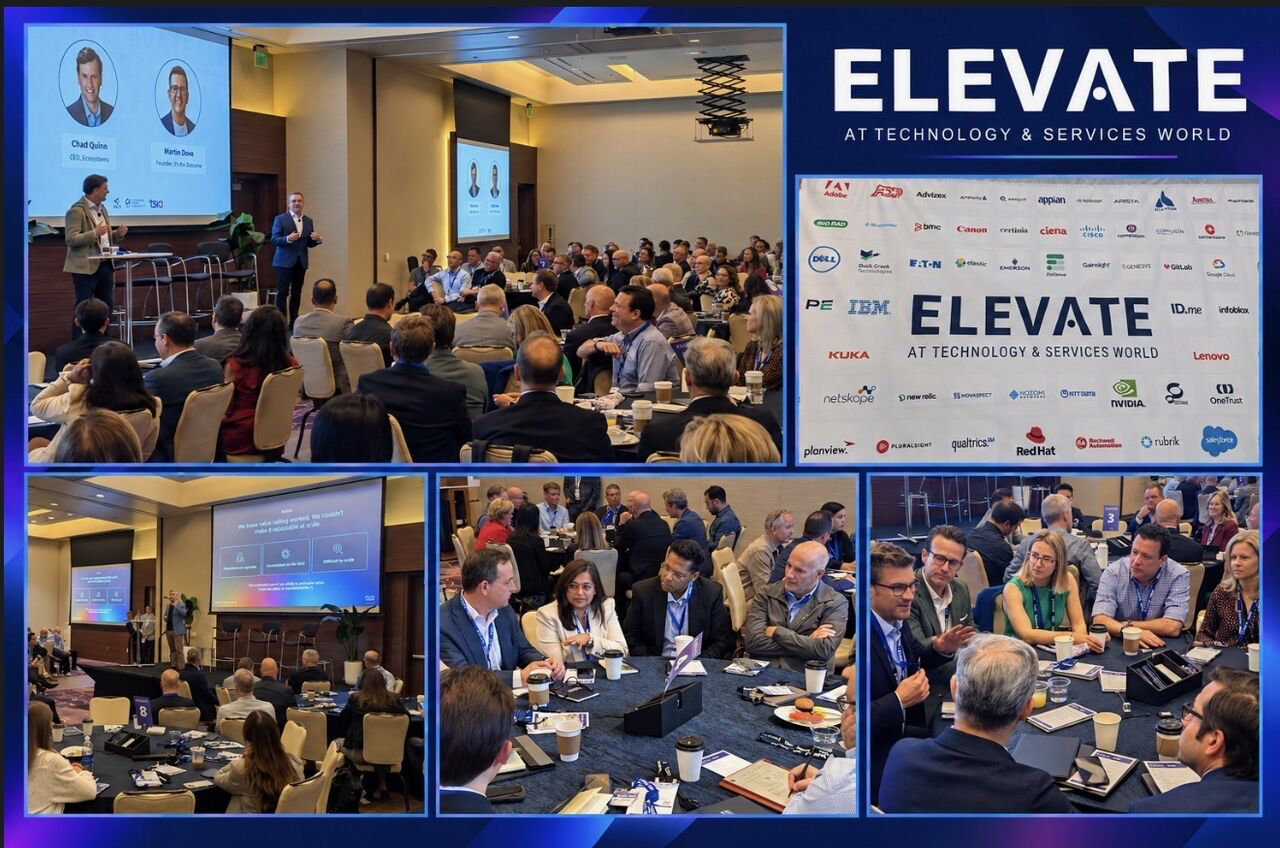
Customer value management across the customer lifecycle. Source image from Omid Razavi’s LinkedIn post.
At ELEVATE, senior revenue, product, and customer leaders engaged in candid discussions.
Several challenges stood out:
Ownership of customer outcomes. Sales and presales make the business case, but accountability often gets lost after the handoff. When support, success, services, and account management all own the outcome, who is ultimately responsible?
Sales incentives. Bookings still drive seller behavior. Small incentives tied to realized customer value have done little to change that.
Making products accountable for value. Usage and adoption data tell only part of the story. Why shouldn't products continuously measure the business outcomes they help deliver?
Forward-deployed engineers. Are they essential to closing the gap between product capabilities and customer outcomes, or an expensive workaround for products that should deliver those outcomes more easily? And who pays for them?
One practical suggestion:
Keep the original customer business case alive throughout delivery, with clear ownership and regular reviews of actual results.
J.B. Wood's keynote at TSW reinforced this theme, along with TSIA's growing emphasis on Customer Value Management, spanning value engineering, value realization, and ongoing value optimization.
Having spent much of my career in customer service, success, and services, I see this as an important development. The industry is beginning to connect commitments made before the sale with results delivered throughout the customer relationship.
AI offers new ways to measure and improve those results. We still have work to do on ownership, incentives, and operating models.
Many thanks to Chad Quinn and the Ecosystems team for bringing this community together and advancing the conversation, and to TSIA for championing customer value management across the technology services industry.
I'd welcome your perspective:
Who in your organization is accountable for delivering and demonstrating the business outcomes promised to customers?
Original publication
Comments (0)
Popular

Dive in
Related
Blog
Thriving Amid Scaled Expectations: How AI and Leadership Are Redefining Customer Value
Nov 5th, 2025 • Views 11
Blog
Operationalizing Customer Value at Scale: Turning Outcomes Into the New Growth Engine
Nov 7th, 2025 • Views 9
Blog
Operationalizing Customer Value at Scale: Turning Outcomes Into the New Growth Engine
Nov 7th, 2025 • Views 9
Blog
Thriving Amid Scaled Expectations: How AI and Leadership Are Redefining Customer Value
Nov 5th, 2025 • Views 11